
Learning
at Rainbow
At Rainbow, children learn through English and French while developing the academic knowledge, independence and confidence they need for the future. Our pathway begins with hands-on, language-rich learning in Nursery and develops into a structured bilingual curriculum throughout Primary.
Languages are most powerful when children use them for meaningful purposes. At Rainbow, English and French are part of lessons, routines, creative activities and relationships. This regular exposure helps children build comprehension, vocabulary and the confidence to communicate naturally.
In Nursery, the learning environment is predominantly English-speaking, with French introduced through playful daily activities and dedicated support. In Primary, pupils follow learning in both languages, drawing on English and French curriculum frameworks. French as a Foreign Language support is available for non-Francophone pupils and is adapted to their level.
Two languages,
one learning
journey
approach
Our teaching
Innovative
learning
We are constantly exploring and researching innovative pedagogies across all areas of learning, drawing on the latest educational thinking and evidence to create meaningful, engaging and effective learning experiences for every child.
French & English
curricula
Teaching draws on French national expectations and English curriculum frameworks to provide strong foundations in both languages.
Singapore
Mathematics
Concrete materials, visual models and carefully sequenced problem-solving help children build mathematical fluency and understanding.
French as a
Foreign language
Targeted FLE teaching supports non-Francophone pupils as they develop the language needed to participate fully in French learning.
Cambridge
Pathway
Cambridge resources and international perspectives can enrich the curriculum and support progression beyond Primary.
Learning beyond
the classroom
Drama, physical education, dance, coding, trips and performances enable children to apply knowledge, collaborate and discover new interests.
Nursery
Ages 2-5
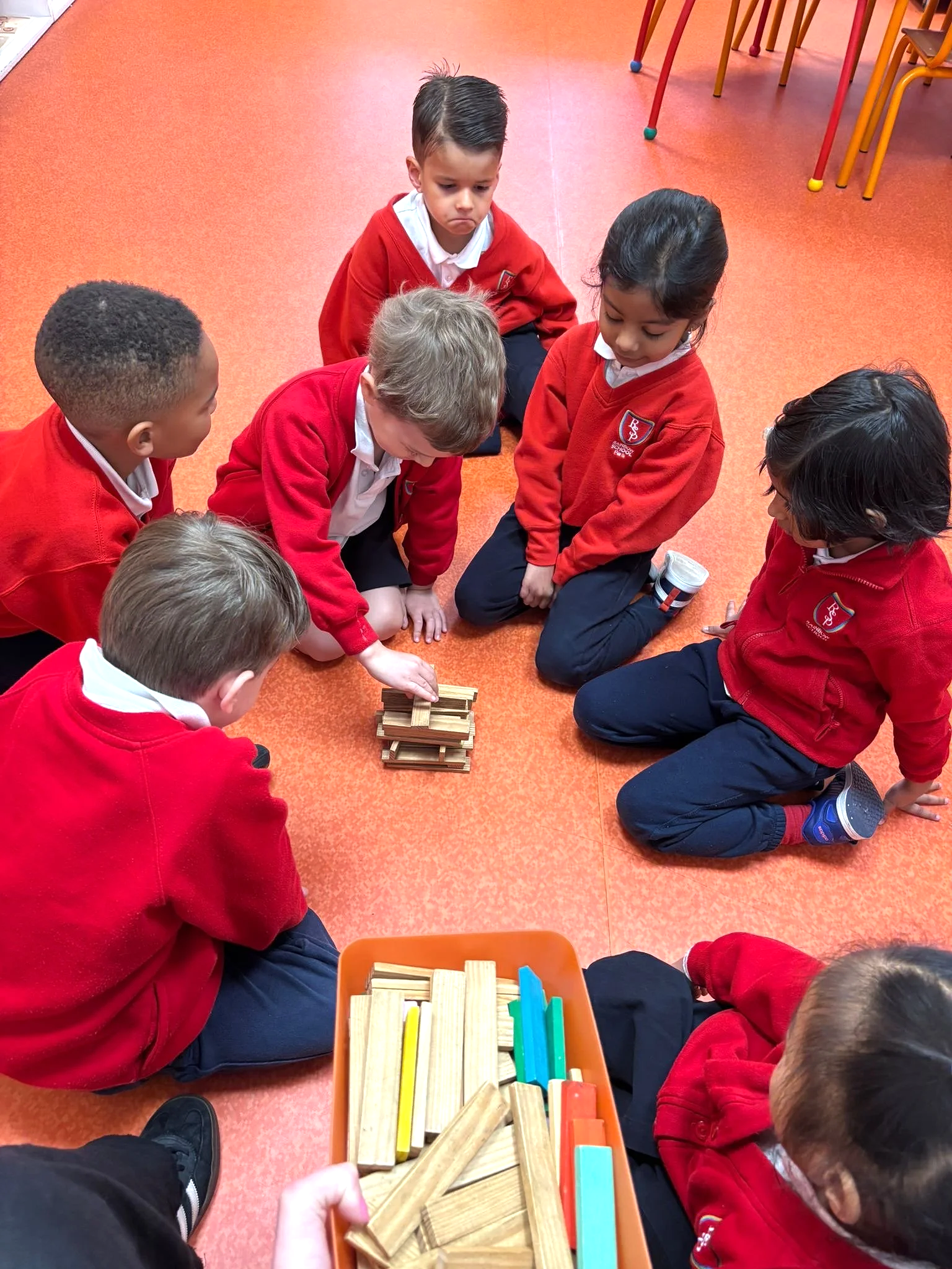
The Nursery years lay the foundations for language, relationships, concentration and independence. Classrooms are arranged to invite exploration through the senses, movement, practical activities and carefully chosen materials. Children learn through play while gradually developing the ability to choose an activity, complete a task and care for their environment.
Age 2
Pre-Nursery
A calm first school experience centred on trust, routines and exploration. Children build vocabulary, motor skills and social confidence through practical life activities, art, music, movement, stories and sensory learning.
Age 3
Nursery
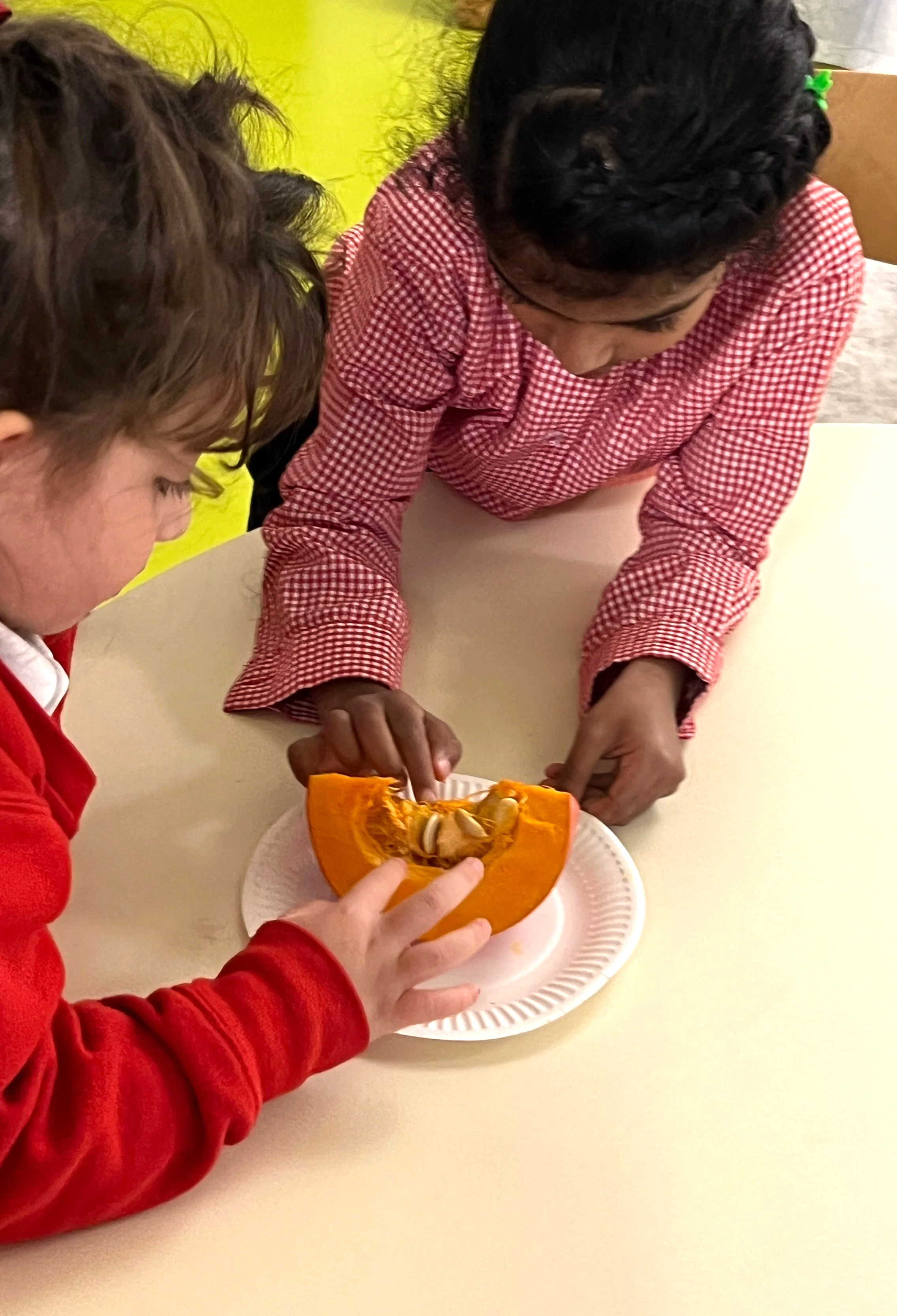
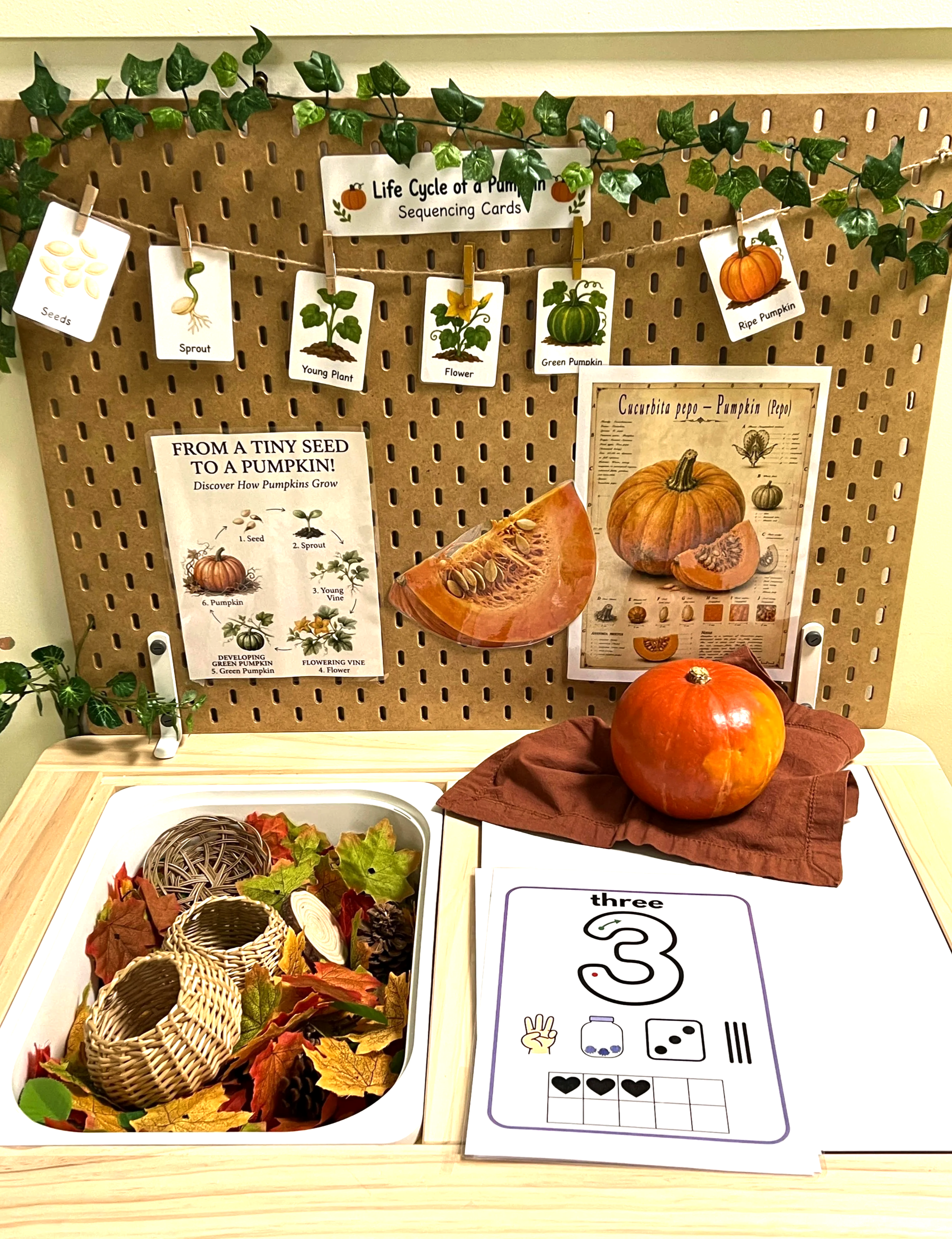
At this age, almost everything becomes an opportunity to learn. A story can lead to letters and sounds, a game can become a maths lesson, and everyday classroom experiences help children make sense of the world around them.
Age 4
Pre-K
Pupils deepen number understanding and phonics, strengthen fine and gross motor skills and begin more purposeful writing practice. Physical education, dance and creative activities remain an important part of the week.
Age 5
Kindergarten
Children get ready for Primary through the joy of reading, writing sentences independently and exploring numbers, operations, time and measurement. Coding, movement and creative activities bring learning to life, sparking curiosity along the way.
Primary
Ages 6-11
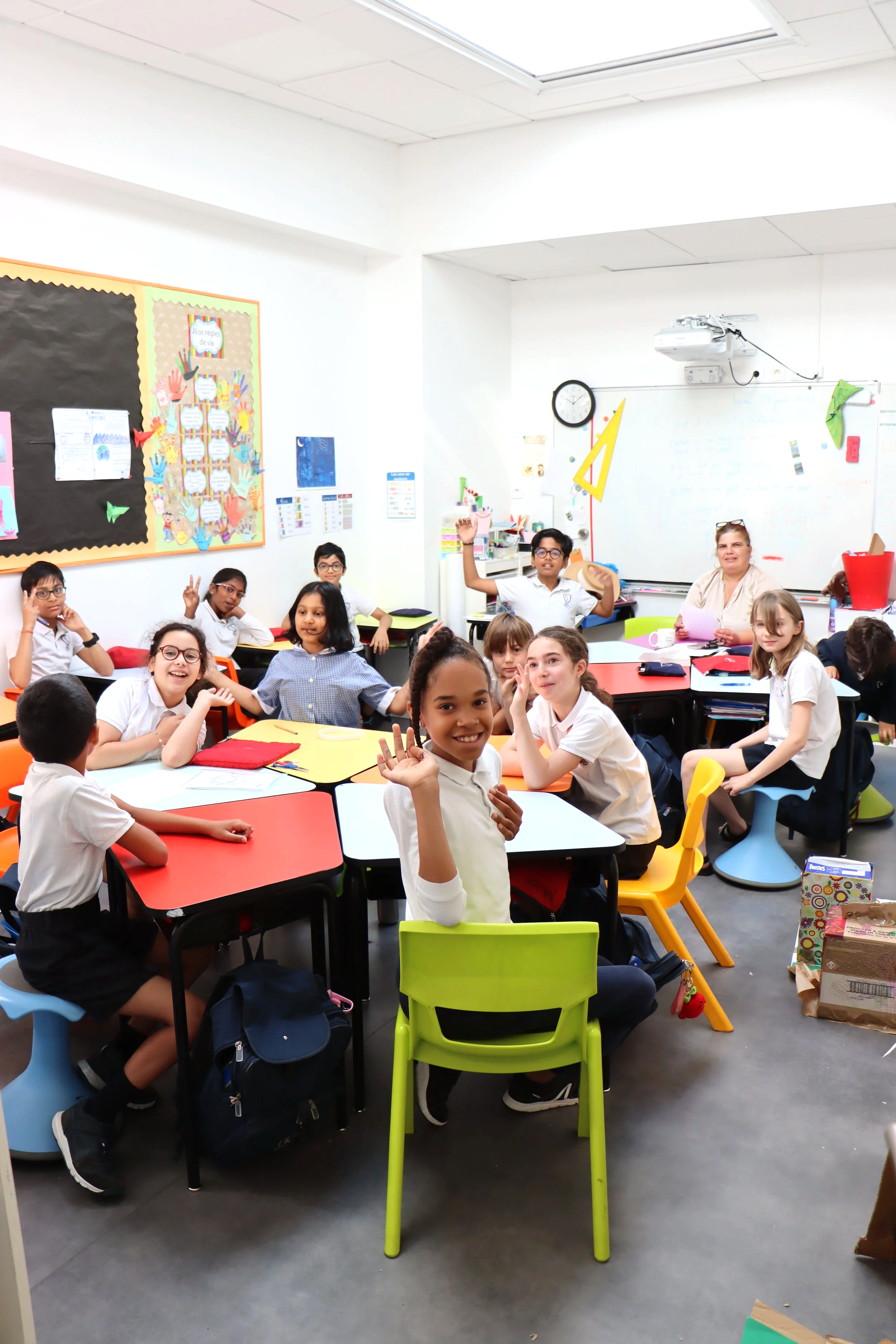
Primary pupils move into a more structured bilingual programme while continuing to learn through discussion, practical tasks, collaborative projects and independent work. The environment remains supportive and stimulating, so children can take intellectual risks, express their ideas and develop strong learning habits.
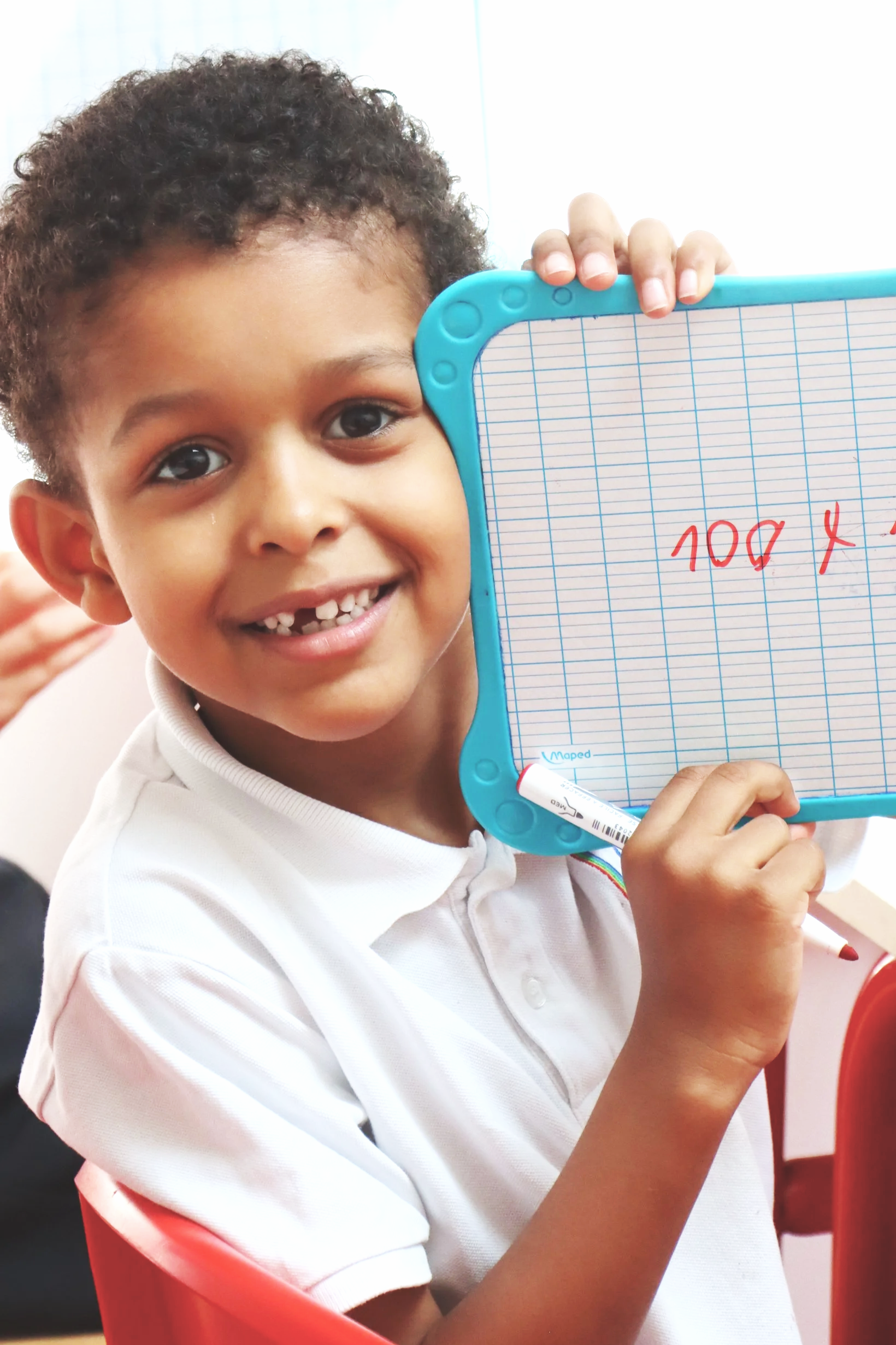
Age 6
Grade 1 /
CP
The first Primary year establishes reading, writing and grammar in both languages while extending mathematical understanding. Children begin to move confidently between English and French learning.
Ages 7-8
Grades 2-3 / CE1-CE2
Pupils deepen literacy and comprehension in both languages. Mathematics is explored through French and English, while collaboration, listening and problem-solving become increasingly important.
Age 9-10 / 11
Grades 4-5 / CM1-CM2
Older Primary pupils consolidate bilingual academic skills, work with greater independence and prepare for a successful transition to secondary school.
Well-being
supports learning
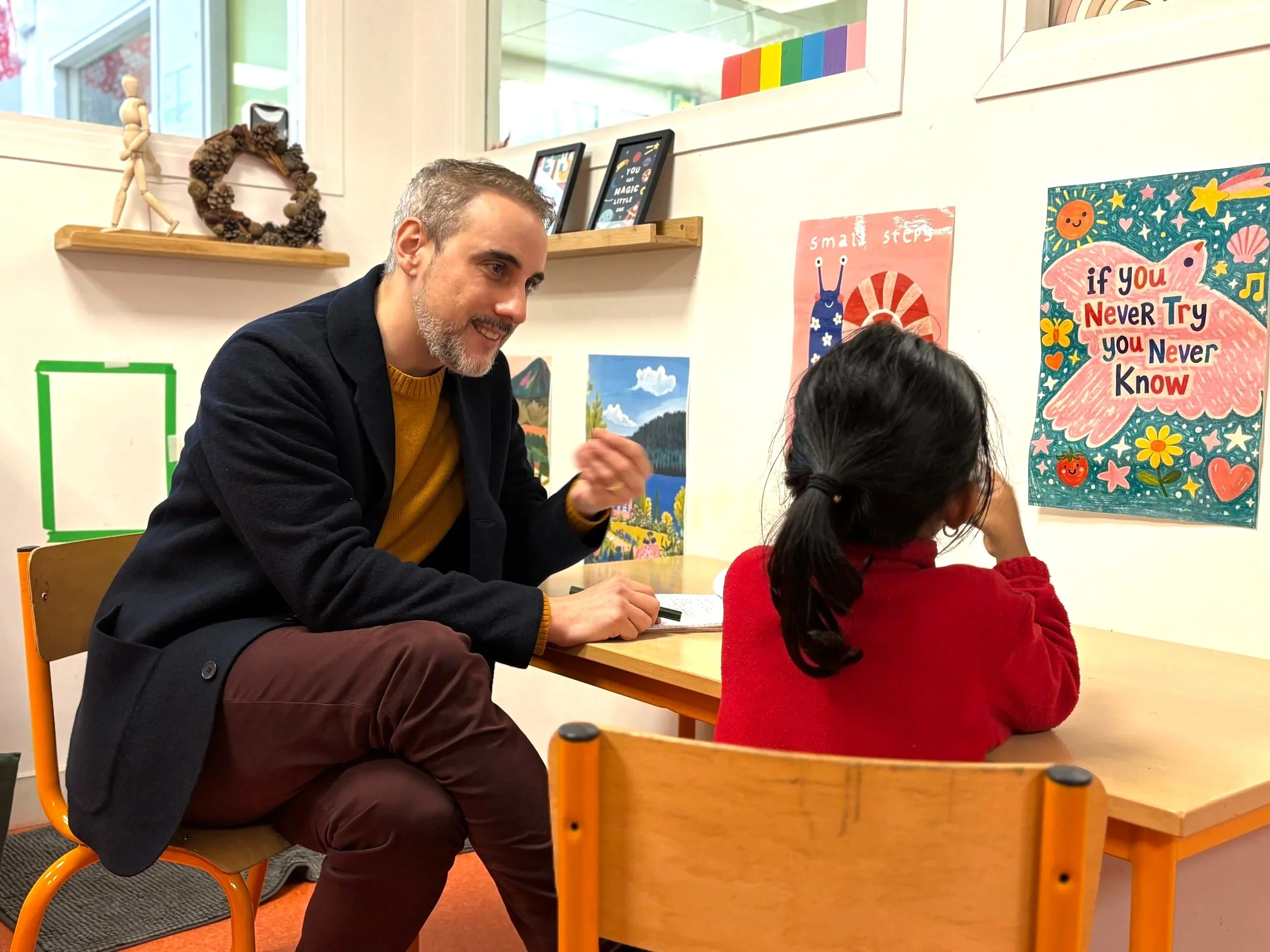
Children are taught to recognise emotions, communicate needs, resolve conflict and participate positively in a group. Individual support, workshops, whole-school projects and student initiatives help them become confident, considerate and resilient learners.
Grade
Equivalents
Not sure which Rainbow School level corresponds to your child’s current grade? Our Grade Equivalents guide makes it easy to compare the French, British, international and Indian school systems.
Discover
the right pathway
For your child
Every child arrives with a different educational and linguistic background. Our team will be pleased to explain the programme, discuss your child’s needs and help identify the most appropriate level.